A LANDMARK IN ACCESSIBLE CINEMA
The First Audio Described Film Screening, 1929
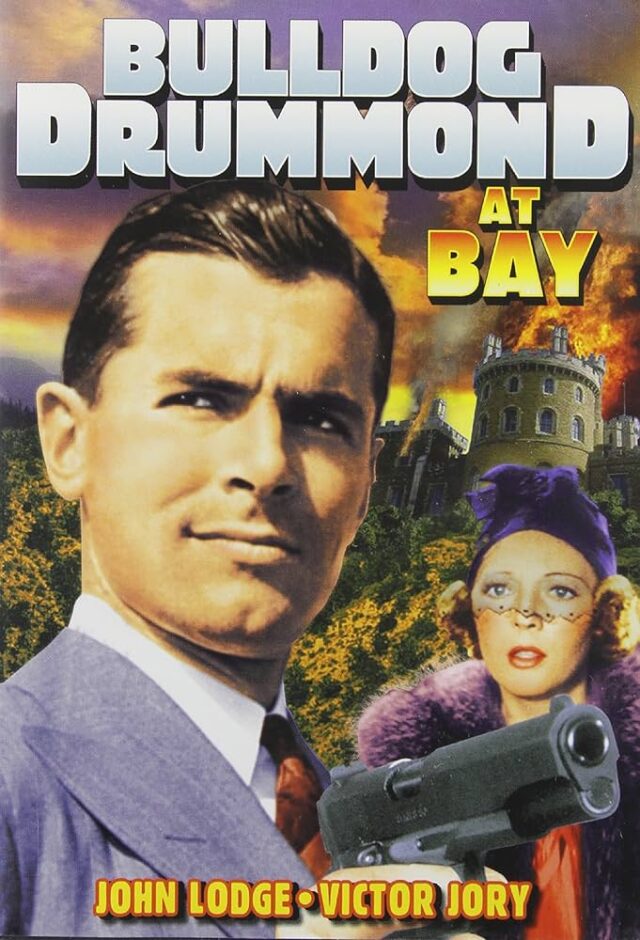
On August 28, 1929, The New York Times reported a remarkable event in the history of cinema and accessibility: a special screening of the talking motion picture Bulldog Drummond, held at the Theatre Moderne in the Chanin Building in New York City. This wasn’t just any film showing—it was, as the Times described, “probably the first talking picture ever shown especially for the blind.”
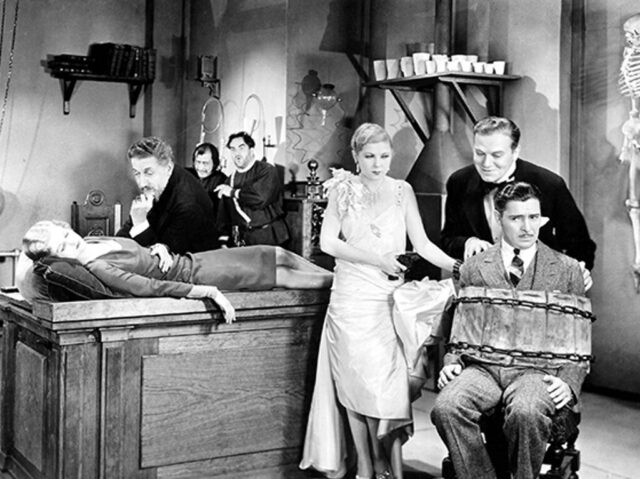
More than 100 members of the New York Association for the Blind and the New York League for the Hard of Hearing attended the performance. In a pioneering act of accessibility, an interlocutor narrated the visual action during moments when the film’s dialogue was paused. This allowed blind audience members to follow the plot, enhancing their experience in a medium that had historically excluded them.
“An interlocutor explained the visual sequences for the blind when the dialogue was momentarily halted. Those without eyesight seemed to enjoy the performance, especially the humorous parts, and there was prolonged applause at the end of the film.”
— New York Times, August 28, 1929, p. 28
The article also noted that while some theaters were beginning to adopt sound-magnifying equipment for the hard of hearing, there had been “no provisions made for ‘readers’ to help the blind ‘see’ a film.” This special event at the Theatre Moderne marked a crucial step forward in recognizing the right of blind and deaf audiences to access and enjoy the cinematic arts.
This performance of Bulldog Drummond predates formalized audio description by several decades. Still, its structure—pausing the dialogue and inserting narrative explanations—shares the same fundamental principles used in modern audio description (AD): providing vital visual context to blind and low vision viewers.
Source: The New York Times Published August 28, 1929 Copyright: The New York TImes.