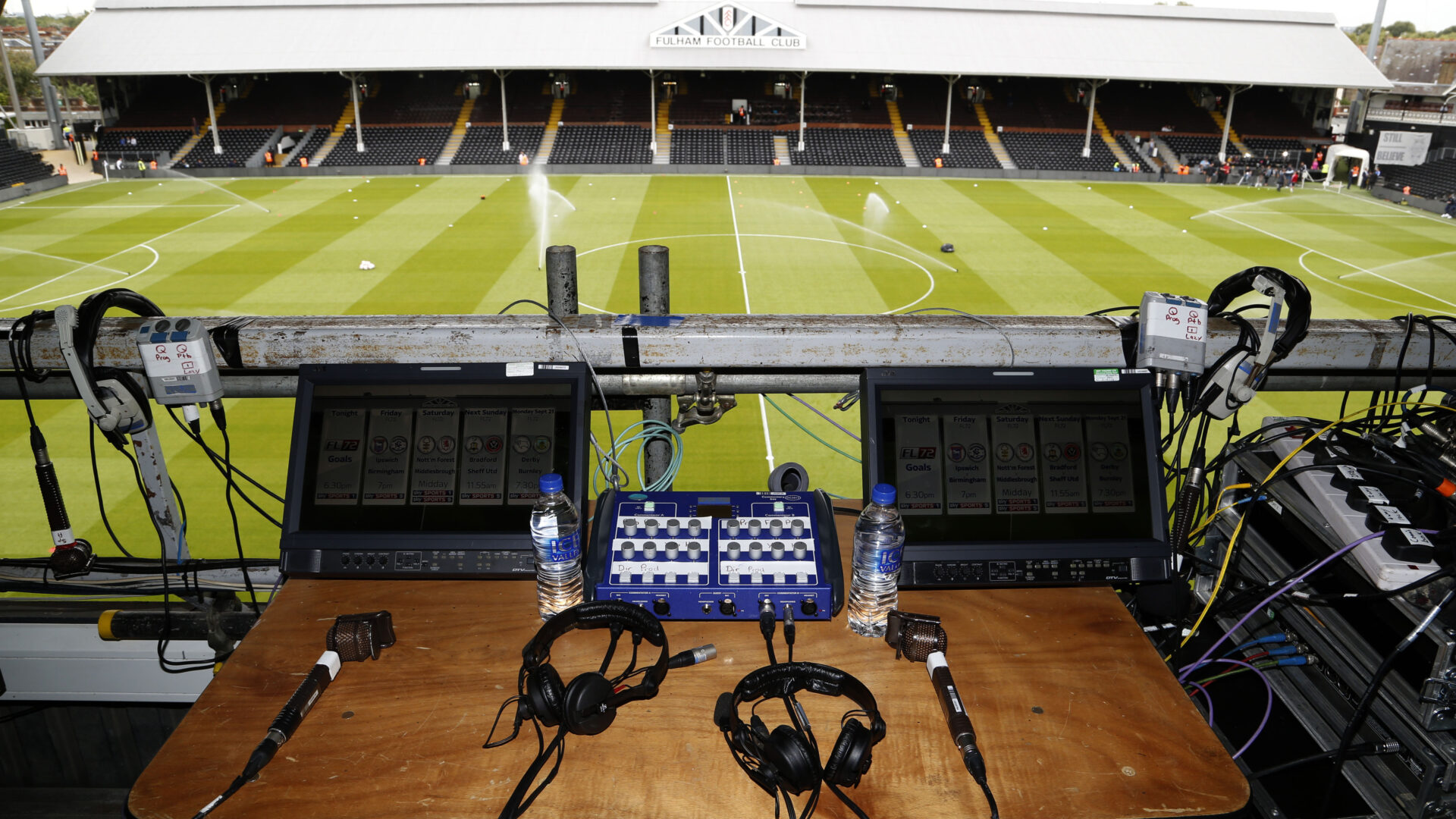
HEARING THE GAME
How Audio Description Make Soccer Accessible to All
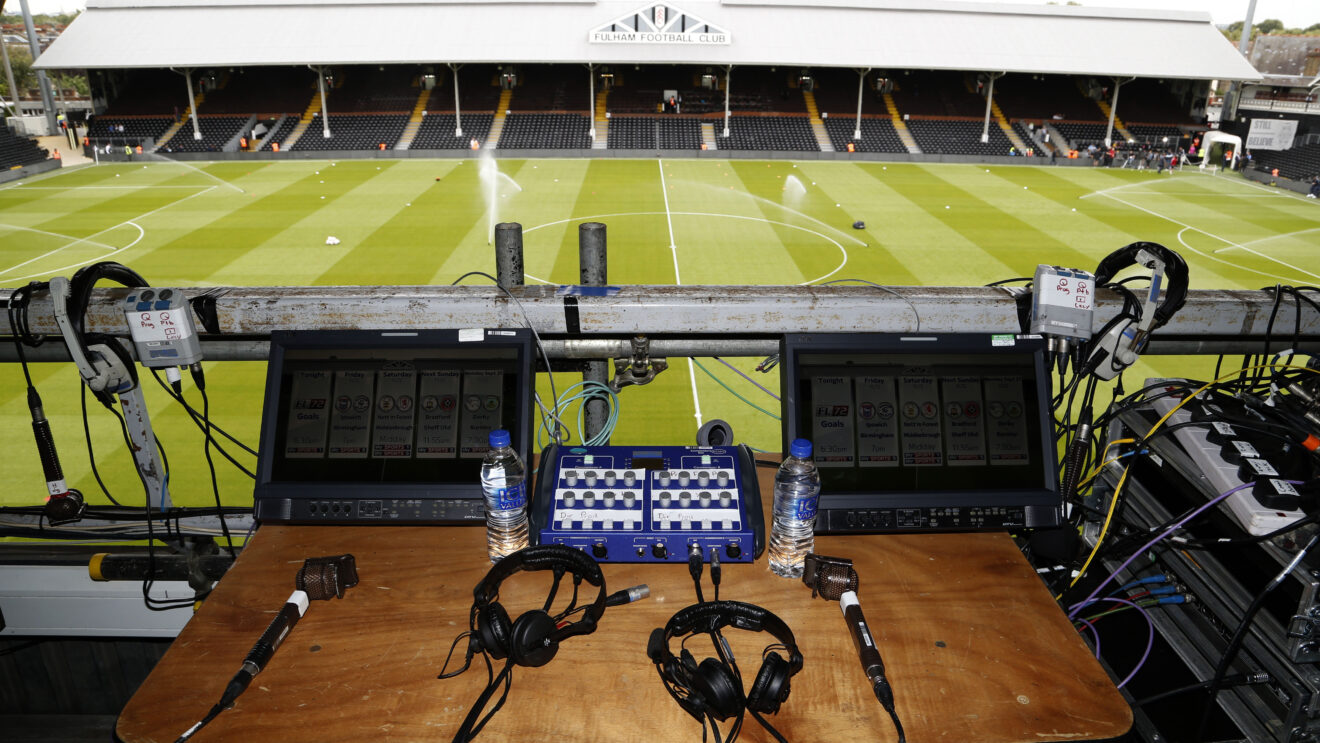
Audio description plays a vital role in making soccer more accessible to people with visual impairments, as well as to those who may be unfamiliar with the sport. By providing real-time narration of the game’s key visual elements—such as player movements, formations, and goals—it allows a wider audience to follow and enjoy the match. This narration helps bring the action to life, offering a fuller experience for those who cannot rely on visuals alone.
Beyond accessibility, audio description can enhance understanding and enjoyment for new viewers who may not be familiar with soccer’s rules or fast-paced nature. By offering contextual information—such as which team is attacking, who has possession, or why a referee made a call—it helps demystify the game. This added clarity can make the sport more engaging and inviting for broader audiences, fostering greater interest and appreciation.
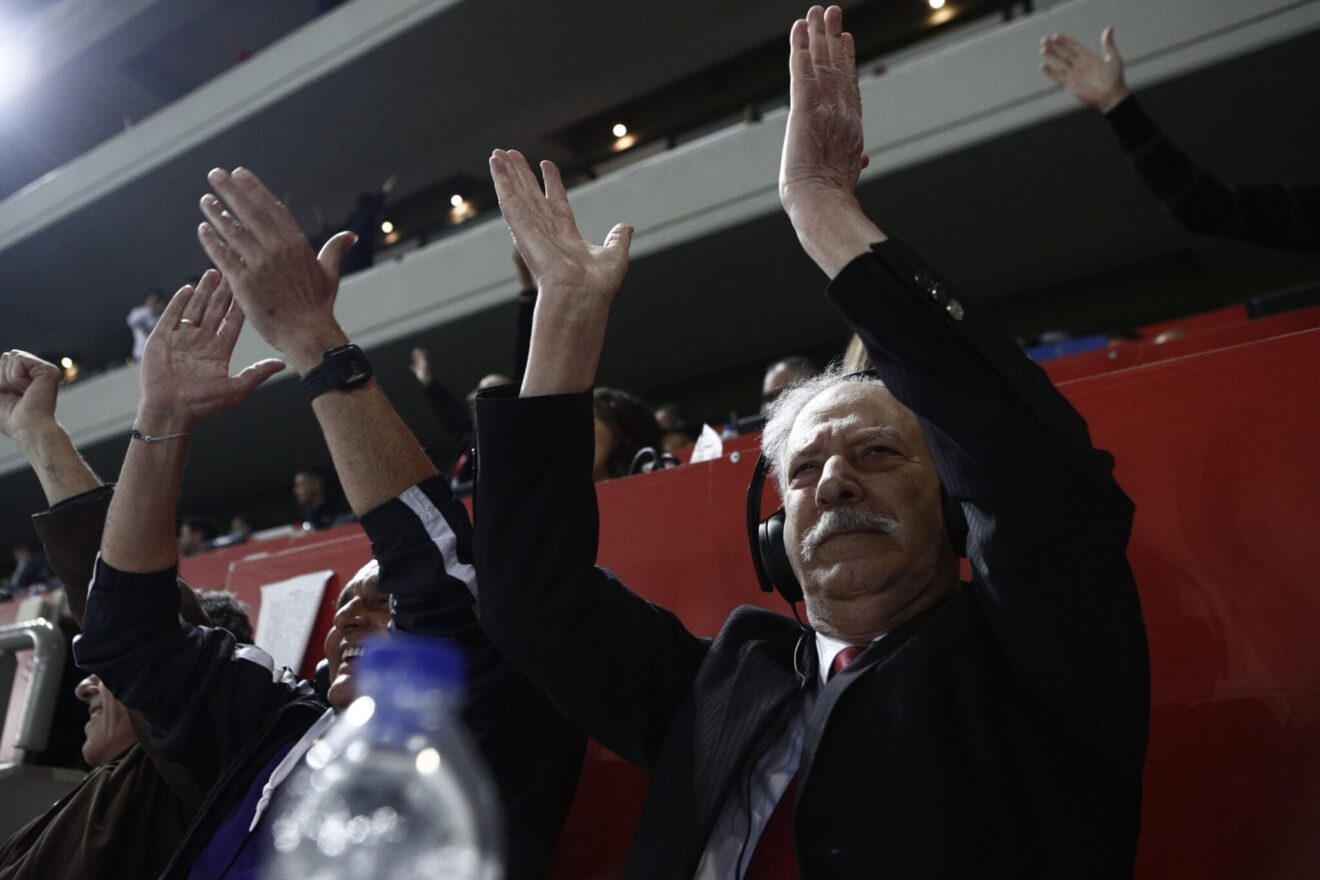
However, delivering effective audio description in live soccer matches can be challenging. The fast pace of the game demands high levels of skill, focus, and deep knowledge from the describers to ensure the narration is both accurate and timely. It can also be difficult to strike a balance between providing enough detail without overwhelming or confusing listeners, especially those who are less familiar with the sport’s terminology or flow.
Despite these challenges, audio description remains a powerful tool for inclusion and outreach. When done well, it can transform the viewing experience, making soccer more enjoyable and accessible to a diverse audience. To maximize its impact, it’s essential to ensure that descriptions are clear, concise, and tailored to the audience’s needs—bridging the gap between the action on the field and those who experience the game through sound.